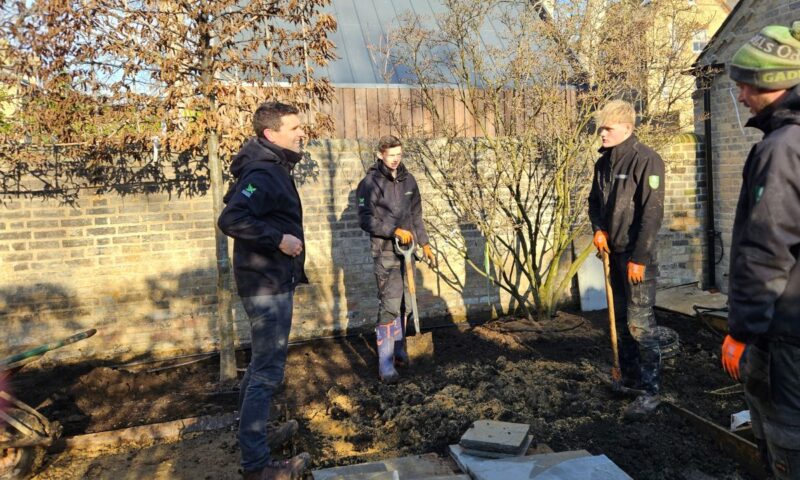
Plant a Tree Campaign: How to Plant and Care for a Tree Whip
Posted on: October 16th 2026 • Posted in: Uncategorized
A big thank you goes to all those who are taking part in the Gadd Brothers Plant a Tree campaign, which was launched at this year’s Suffolk Show. We hope your tree whip has grown well over the summer and received plenty of water during the heatwaves!
With the right planting conditions and a little care during its first few years, your tree can become an established part of the landscape for generations to come.
Following the hot, dry summer of 2026, giving your tree the best possible start is particularly important. This guide explains when to plant your tree whip, how to plant it correctly and how to care for it as it grows.
When to plant your tree whip
The ideal time to plant a bare-root tree whip in the UK is between November and March, while the tree is dormant.
Following the dry conditions of summer 2026, it is particularly important to check that the ground has received sufficient autumn rainfall before planting.
Choose a day when:
- The soil is moist and workable.
- The ground is neither frozen nor waterlogged.
- Conditions are not excessively windy.
If the ground remains very dry, wait until there has been sufficient rainfall before planting. Avoid working the soil when it is saturated, as this can damage its structure.
Choosing the right location
Before planting, consider how large your tree will eventually become and the space it will need to grow.
Choose a location with enough room for the mature tree, taking into account its eventual height, canopy spread and root system. Keep it away from buildings, underground services, drains and other areas where future growth could cause problems.
Avoid permanently waterlogged ground unless the tree species is suited to those conditions. Where possible, choose a position with access to natural rainfall and enough space to keep competing grass and weeds under control.
How to plant your tree whip
1. Prepare the ground
Remove grass and weeds from an area approximately one metre in diameter around the planting position. This will reduce competition for water and nutrients while your tree establishes.
Dig a hole approximately twice the width of the root system, but no deeper than the roots require. Loosen any compacted soil around the sides of the hole to help the roots grow outwards.
2. Position the tree
Place the tree in the centre of the hole, spreading the roots naturally.
The point where the roots meet the stem, known as the root collar, should sit level with the surrounding ground. Avoid planting too deeply, and do not force the roots upwards or bend them sharply to fit the hole.
3. Backfill the hole
Use the excavated soil to refill the hole around the roots.
Gently firm the soil to remove large air pockets and ensure good contact between the roots and the surrounding soil. Avoid excessive compaction, as this can restrict root development.
4. Water thoroughly
Water your tree immediately after planting, even if the soil appears reasonably moist. This helps settle the soil around the roots and supports good contact between the root system and the surrounding ground.
Mulching your tree
Applying a layer of organic mulch around the base of your tree can make a significant difference during its early years.
Spread mulch approximately 5–10cm deep over the cleared area, leaving a small gap around the stem itself.
Mulching helps retain soil moisture, suppress grass and weeds, and improve conditions for the developing root system. Check the mulch periodically and top it up if necessary, taking care not to pile it against the stem.
Protecting your tree from damage
Young trees can be vulnerable to rabbits, deer and other wildlife, particularly in rural areas.
Where necessary, use a suitable tree guard or protective tube to prevent browsing and damage. In exposed locations, staking may also be beneficial, depending on the tree and planting conditions.
Check guards, stakes and ties regularly to ensure they remain secure without restricting the developing stem. Any protection should be adjusted or removed when it is no longer needed.
Caring for your tree after planting
April to September: watering and maintenance
Although your tree will have been planted during the cooler months, its roots will need time to establish before the following summer.
During the first growing season, monitor soil conditions and water thoroughly during prolonged dry spells. Watering deeply and less frequently is generally more effective than applying small amounts of water regularly, as it encourages moisture to reach the developing root system.
Do not rely on rainfall alone. A light shower may wet the soil surface without providing sufficient moisture around the roots.
Keep the base clear
Grass and weeds compete with young trees for water, nutrients and light. Keeping the area around your tree clear of competing vegetation is particularly important during its first few years.
Your mulch will help suppress growth, but check the area regularly and remove any grass or weeds that begin to establish.
Check your tree regularly
A quick check throughout the year can help identify problems before they affect your tree’s establishment.
Look out for:
- Signs of drought stress, including wilting or unusually dry soil.
- Damage caused by rabbits, deer or other wildlife.
- Loose or damaged guards.
- Stakes or ties becoming too tight.
- Grass and weeds growing close to the stem.
- Wind damage or damage caused by machinery.
As your tree grows, review its protection and support to ensure it is still appropriate.
“A little care now can make a lasting difference”
The first few years are important for successful tree establishment. By planting at the right time, keeping the surrounding ground clear and monitoring moisture levels, you can give your tree the best possible start.
Thank you again for taking part in the Gadd Brothers Plant a Tree campaign. We would love to see how your tree develops over the coming months and years.
If you take photographs while planting your tree or as it grows, share them with us for the chance to be featured on our social media channels and future newsletters.
Together, we can help create a greener landscape for future generations.